We’re just a message away! Connect with us to discuss your project, get expert advice, or start designing your dream space today.
4 min read


The Power of Light in Interiors
Lighting is one of the most powerful elements in interior design, yet it’s often overlooked. It has the ability to transform a space, enhance moods, and highlight key architectural features. Proper lighting can make a small room feel spacious, a dark corner inviting, and a minimalist design warm and lively. It’s not just about visibility; it’s about creating atmosphere and emphasizing the essence of a space.
The Foundation of Design
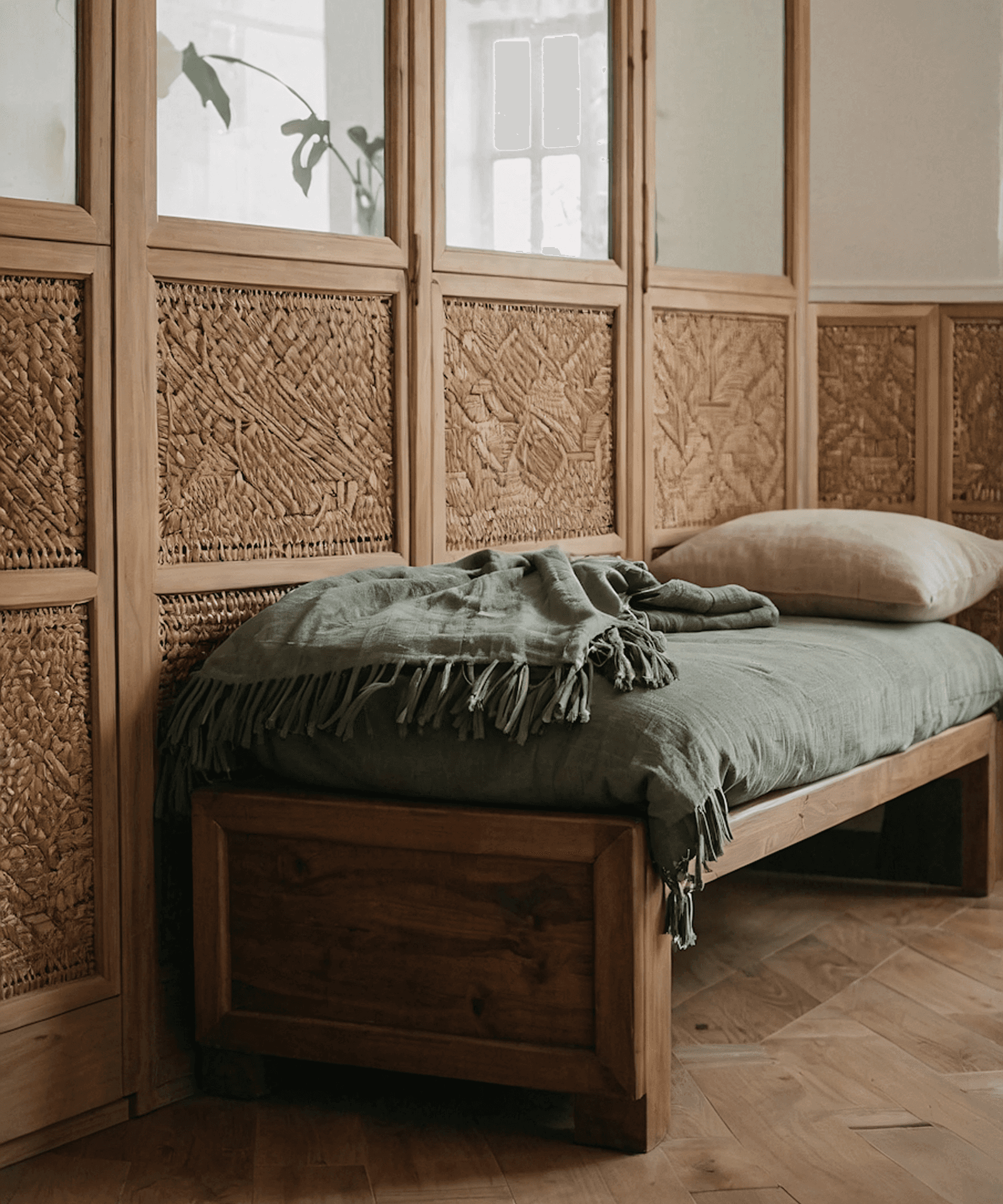
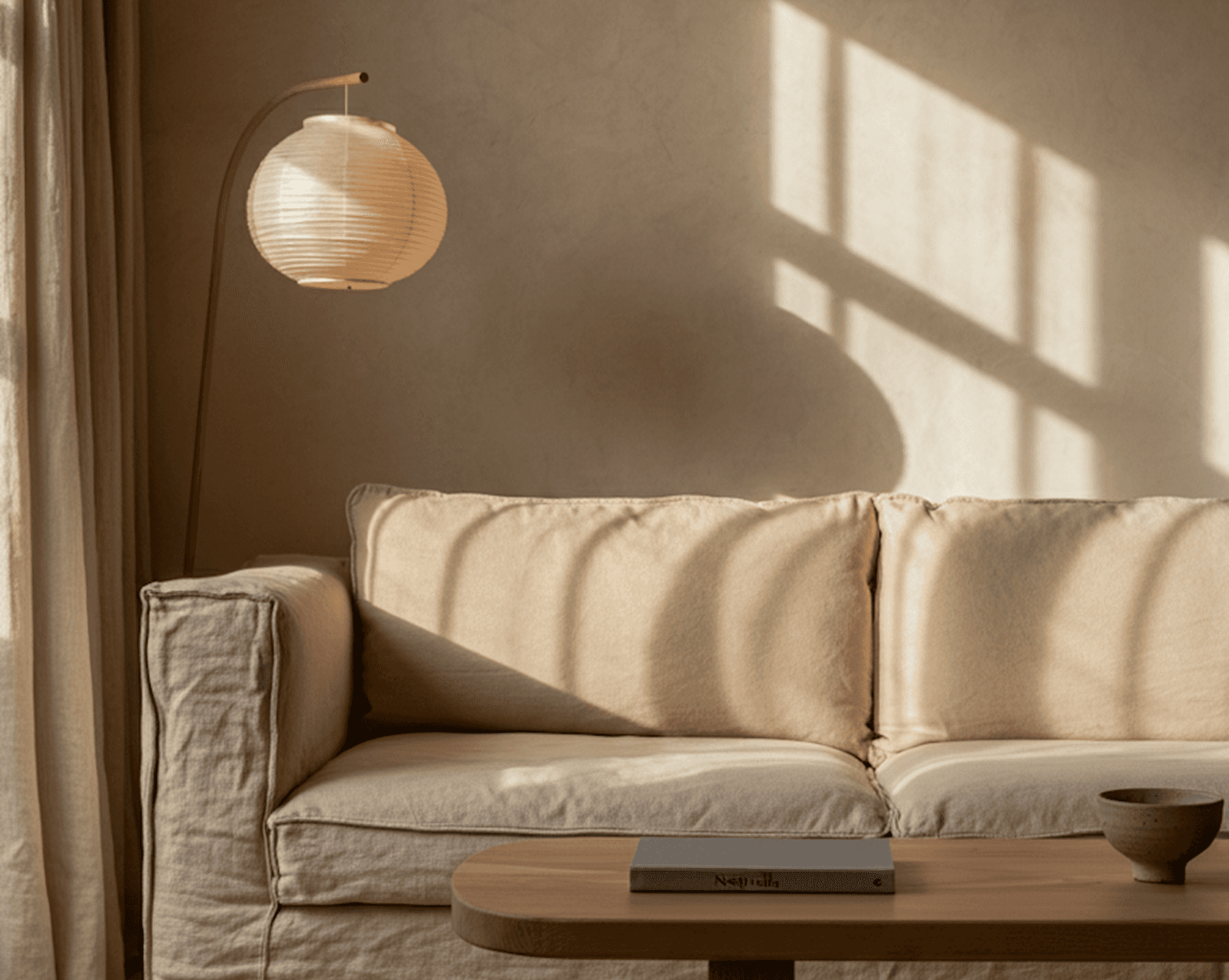
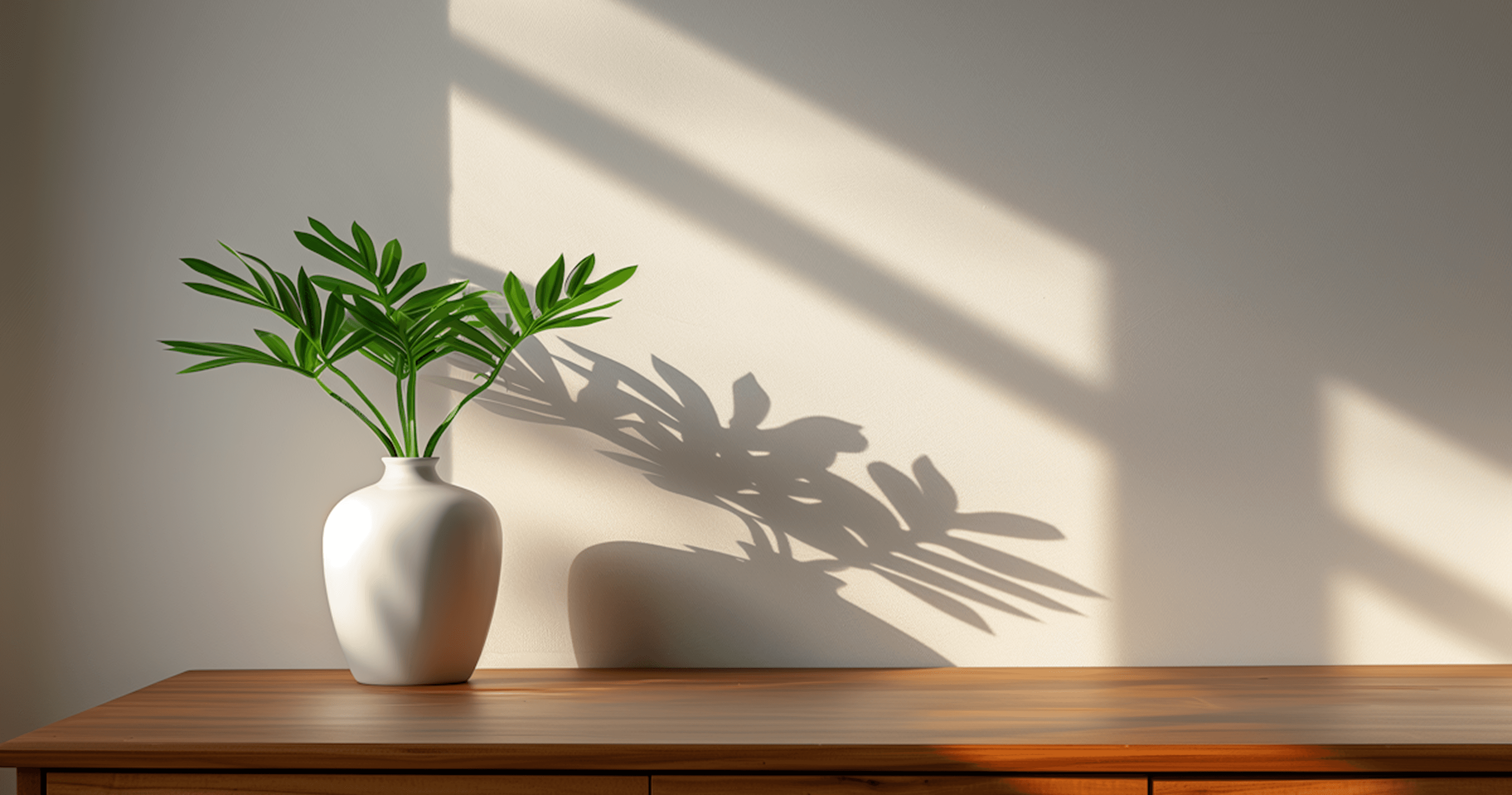
Natural light is the cornerstone of effective interior design. Sunlight entering through windows, skylights, or glass doors can dramatically change the perception of color, texture, and space. Designers carefully plan window placement, curtain styles, and reflective surfaces to maximize natural light. By understanding how sunlight moves through a room during different times of the day, interiors can be designed to feel bright and dynamic without relying solely on artificial sources.
Layering Light for Depth and Functionality
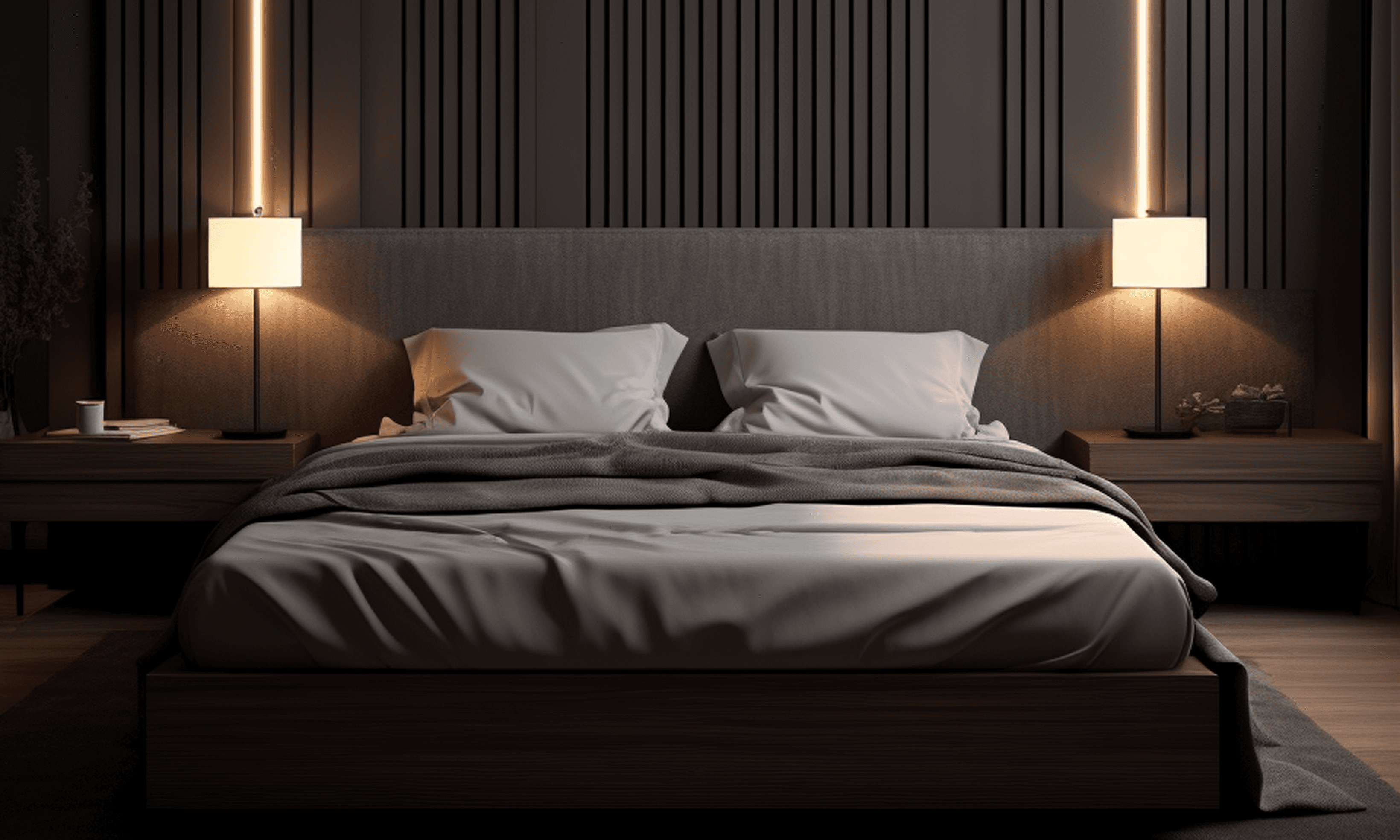
Layering is a key principle in lighting design. Ambient lighting provides general illumination, while task lighting focuses on specific activities like reading or cooking. Accent lighting highlights artwork, architectural details, or statement furniture. Combining these layers ensures that a space is not only functional but visually rich. A well-layered lighting scheme adds depth, draws attention to focal points, and allows homeowners to adjust the mood according to the occasion.
Choosing the Right Fixtures
The type of light fixture can dramatically influence the style and feel of a room. Chandeliers can bring grandeur to a dining area, while sleek pendant lights add modern sophistication. Recessed lighting keeps ceilings clean and minimal, perfect for contemporary spaces. Even small elements like wall sconces and floor lamps contribute to the overall design narrative. The material, shape, and placement of each fixture must harmonize with the room’s design language to create a cohesive and visually pleasing environment.
Color Temperature and Mood
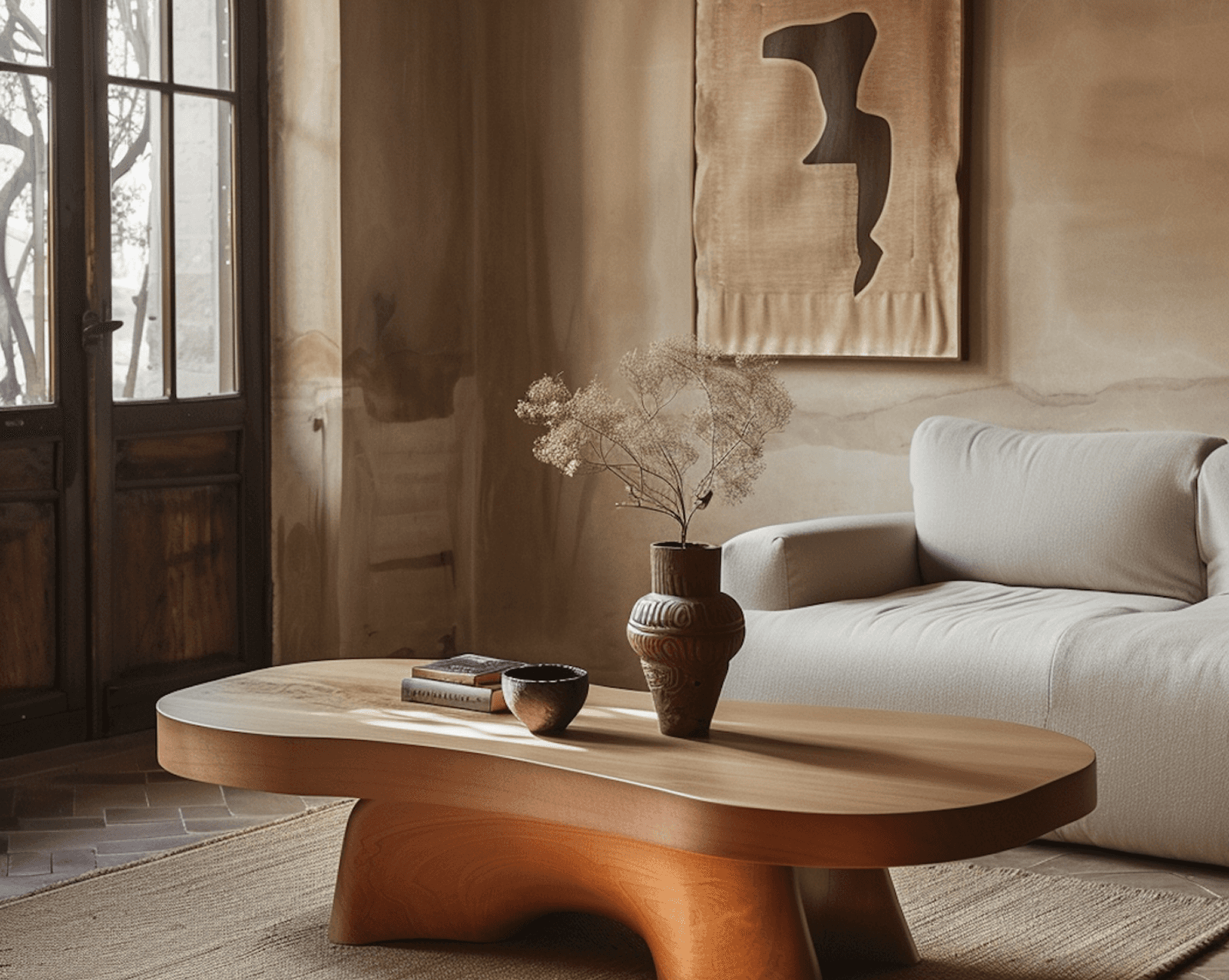
The color temperature of lighting plays a crucial role in setting the mood. Warm light creates a cozy, intimate atmosphere, making it ideal for living rooms and bedrooms. Cool light energizes a space and enhances concentration, making it suitable for workspaces or kitchens. Designers often mix temperatures to create contrast and define different areas within a single space. By carefully choosing the right light temperature, interiors feel more natural and inviting, enhancing both aesthetics and comfort.

"A beautifully designed room should invite your imagination to wander freely, creating a warm atmosphere and a sense of wonder that envelops you all around."
Innovative Lighting Trends
Modern interior design embraces innovative lighting solutions that blend functionality with artistic expression. LED strips, smart lighting systems, and color-changing fixtures allow for dynamic, customizable spaces. Designers are also experimenting with hidden lights, backlit panels, and sculptural lighting elements to add drama and intrigue. These innovations not only serve practical purposes but also act as design statements, reinforcing the character and style of a room.
Conclusion: Light as a Design Element
Lighting is far more than a practical necessity; it is a design tool that shapes perception, highlights features, and influences emotions. Whether it’s natural sunlight flooding a living room, a statement chandelier in the dining area, or subtle accent lights highlighting textures, thoughtful lighting brings interiors to life. By understanding the interplay between light and space, homeowners and designers can create environments that are not only functional but truly inspiring.