Just one message is all it takes. Reach out to discuss your project, get professional advice, or start bringing your dream space to life.
7 min read


Maximize Small Spaces with Smart Layouts
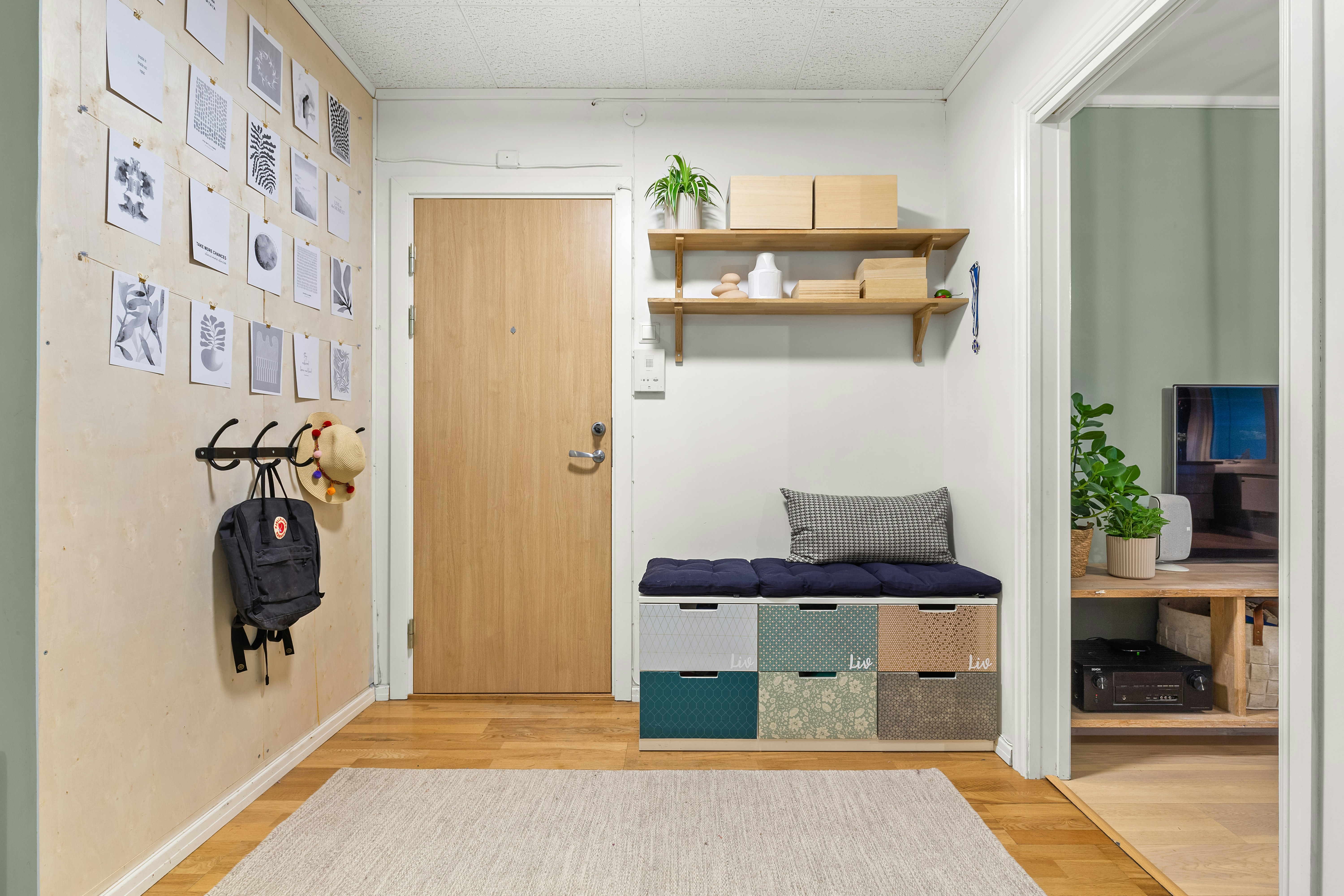
Smart layouts play a crucial role in transforming small spaces into functional and visually appealing environments. When space is limited, every design decision matters. A well-planned layout can make compact rooms feel open, organized, and comfortable. It’s not just about fitting furniture into a room—it’s about creating balance, improving flow, and making the most of every square foot.
The Foundation of Efficient Space Planning
A strong layout begins with understanding how a space will be used. Clear zoning helps define areas for living, working, or relaxing without making the room feel crowded. Designers often rely on multifunctional furniture, open floor plans, and thoughtful circulation paths to ensure small spaces remain practical and clutter-free. Strategic placement of furniture allows rooms to breathe while maintaining usability.
Creating Flow and Visual Openness
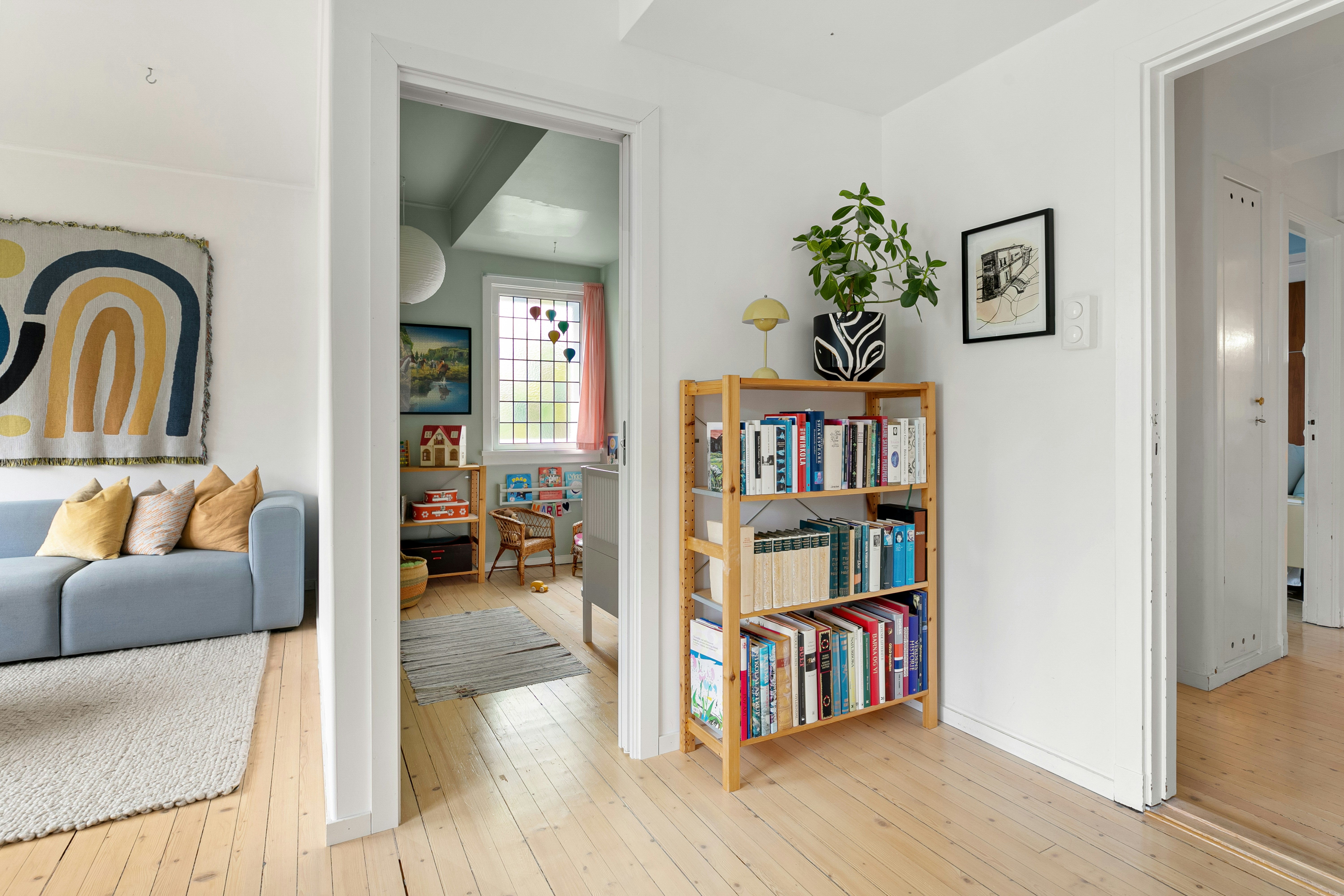
Smart layouts focus on movement and visual continuity. Keeping walkways open, aligning furniture with architectural lines, and avoiding unnecessary barriers can make a small space feel significantly larger. Using light colors, minimal partitions, and built-in storage enhances openness while preserving function. When layouts are designed with flow in mind, even the smallest interiors feel effortless and inviting.
Flexible Design for Everyday Living
Adaptability is key in compact spaces. Foldable furniture, modular pieces, and hidden storage solutions allow rooms to serve multiple purposes throughout the day. A dining table can double as a workspace, or a sofa can include integrated storage. These flexible layout choices ensure that small spaces remain dynamic, efficient, and tailored to modern living needs.
Thoughtful Details That Make a Difference
Small layout decisions often have the biggest impact. Proper furniture scale, vertical storage, and intentional focal points help prevent overcrowding. Every element should serve a purpose while contributing to a cohesive design story. When layouts are thoughtfully planned, small spaces can feel just as refined, functional, and comfortable as larger ones.

Color Temperature and Mood
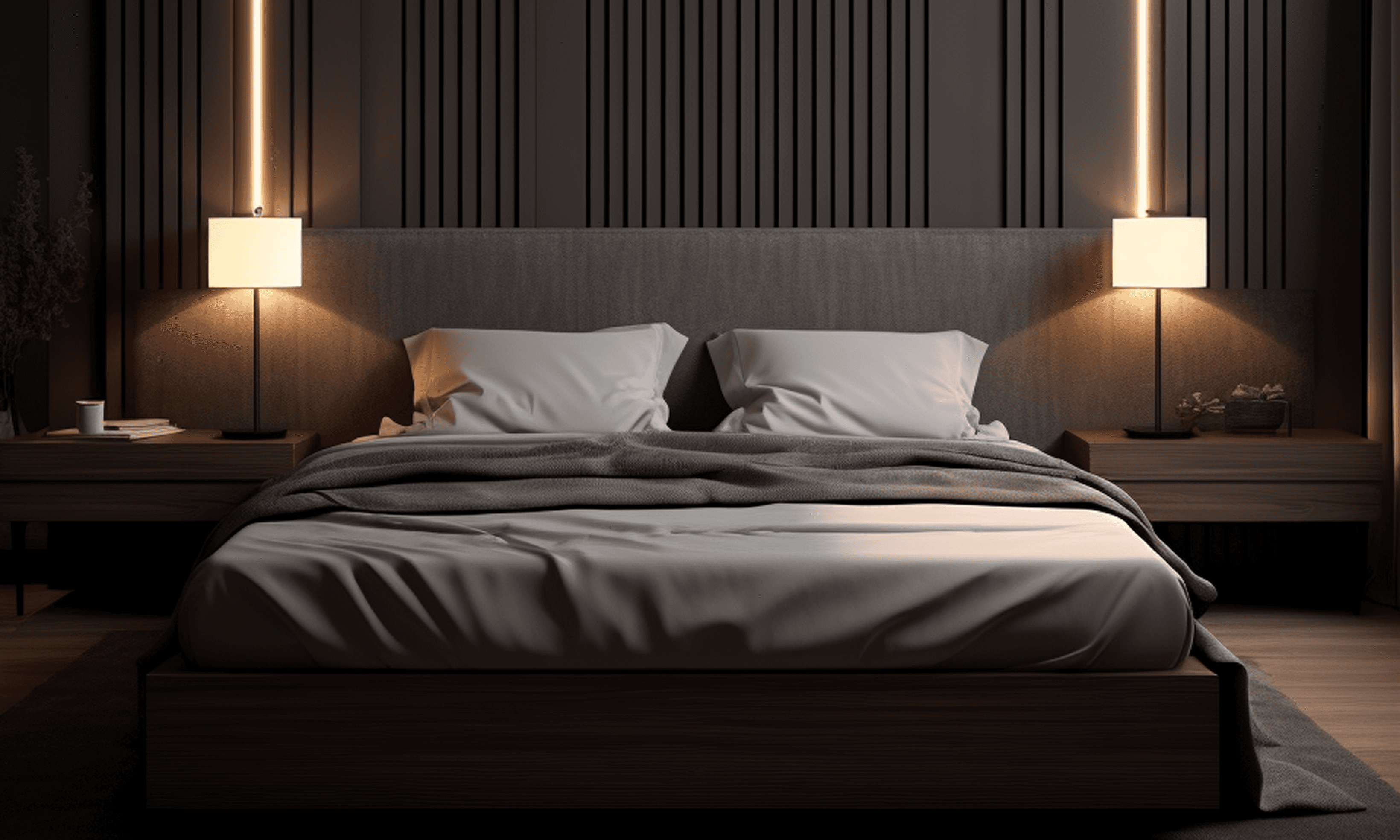
Light temperature has a strong influence on how a space feels. Warm lighting brings a sense of comfort and relaxation, making it perfect for bedrooms and living areas. Cooler lighting creates a fresh, alert atmosphere that supports focus, which is why it works well in kitchens and workspaces. Designers often blend different light temperatures to add visual interest and clearly define zones within a room. When selected thoughtfully, lighting temperatures make interiors feel balanced, welcoming, and comfortable while enhancing the overall design.

"A well-crafted space invites the mind to roam, wrapping you in comfort and an atmosphere full of inspiration."
Innovative Lighting Trends
Contemporary interior design is increasingly defined by creative lighting solutions that combine practicality with visual impact. Features like LED strips, smart lighting systems, and color-adjustable fixtures make spaces more adaptable and personalized. Designers are also exploring concealed lighting, illuminated panels, and sculptural fixtures to introduce depth and visual drama. These modern approaches go beyond illumination, turning lighting into a key design feature that enhances the identity and atmosphere of a space.
Conclusion: Light as a Design Element
Lighting extends far beyond basic functionality—it plays a vital role in shaping how spaces are experienced. From natural daylight filling a room to eye-catching fixtures and subtle accent lighting, thoughtful illumination enhances textures, emphasizes architectural details, and sets emotional tone. When light is treated as a core design element, it transforms interiors into spaces that feel balanced, expressive, and truly inspiring.